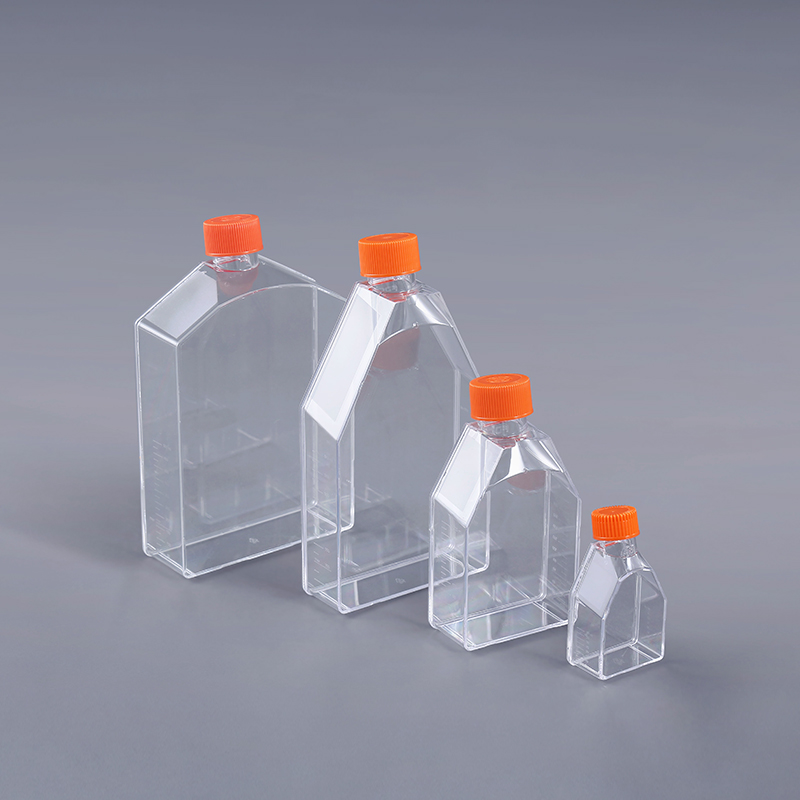
Analysis of the causes of cell clumping in cell culture flasks
Cultivating cells is a very rigorous task. In addition to creating a good growth environment for cells, it must also promptly resolve various emergencies during the culture process. Cell clumping in cell culture flasks is a phenomenon often encountered. What is the reason for this situation? 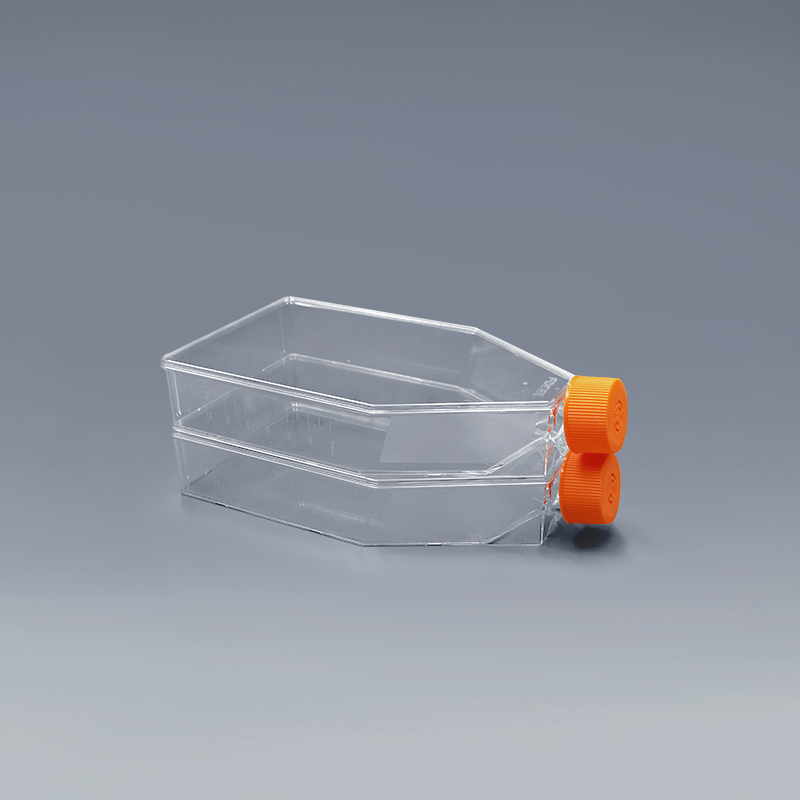
What does it mean that the cell culture flasks are pyrogen-free?
Cell culture flasks are a type of consumables commonly used in the cell culture process. Cell growth has higher requirements for the environment, and the selection of consumables must also meet the requirements of pyrogen-free. Then, what does pyrogen-free mean? 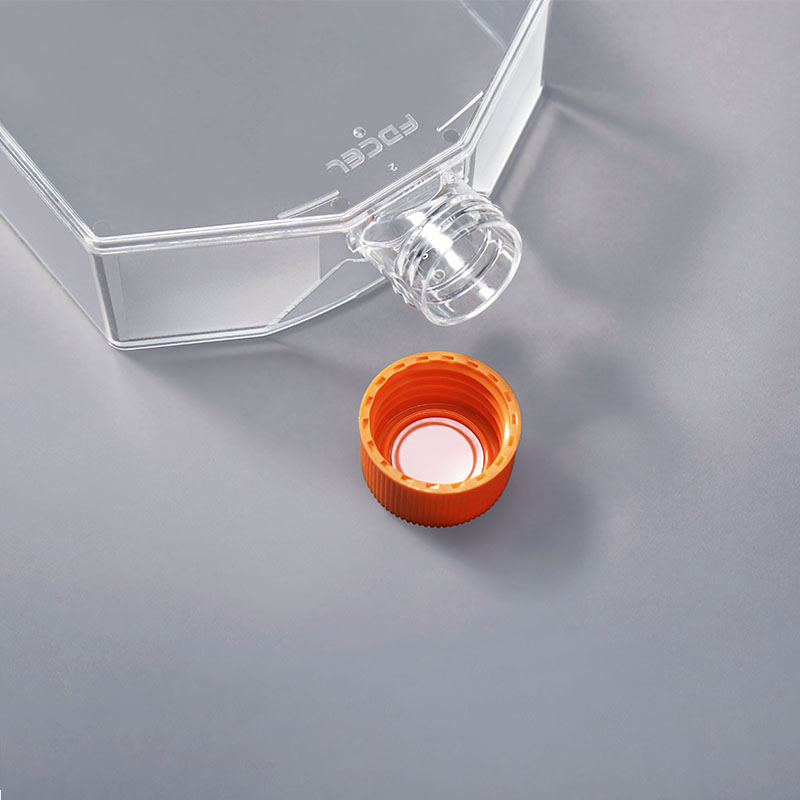
This kind of cell culture flasks are more convenient to use
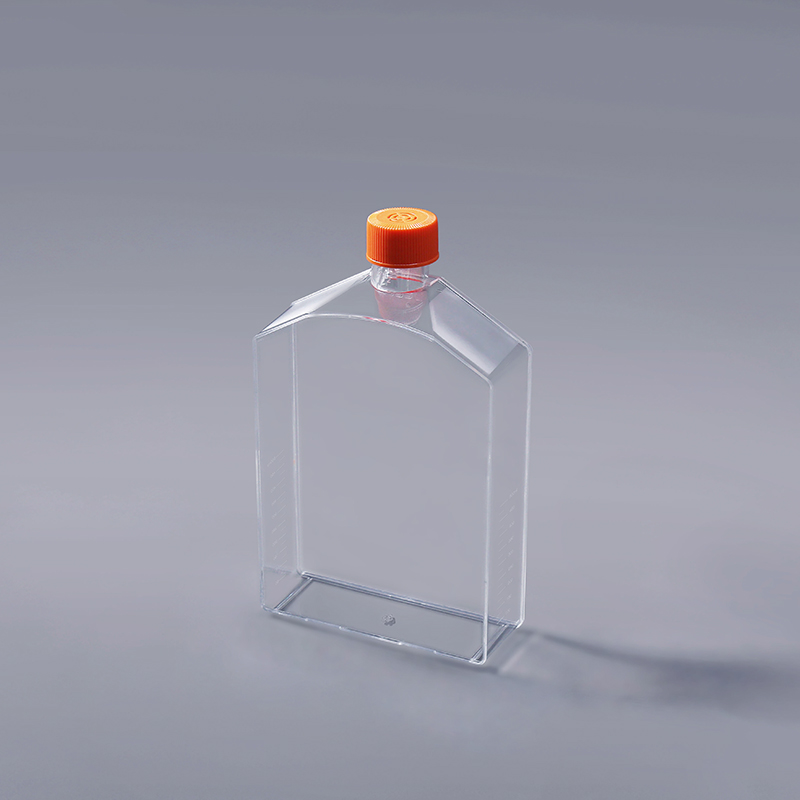
The cell culture flasks are a kind of consumable used in cell culture experiments. It can not only be used for cell recovery and small-scale cell expansion, but also for the expansion of adherent cells. With the continuous improvement and perfection of processing technology, these consumables are also constantly innovating to better meet the needs of researchers. 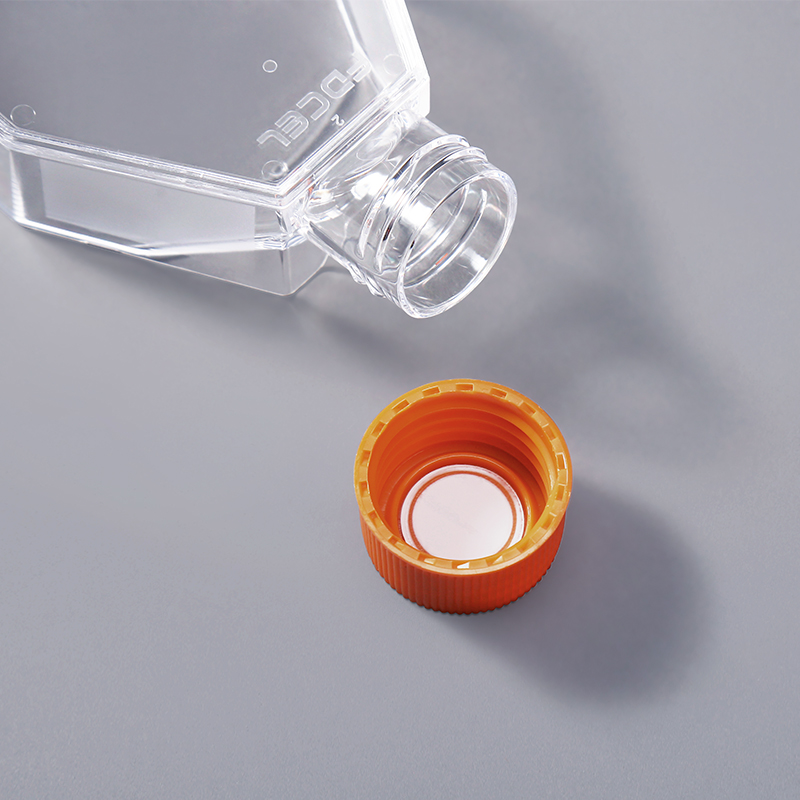
The purpose of TC treatment on the surface of cell culture flasks
There are many types of cells. From the perspective of culture methods, they are mainly divided into two types: adherent cells and suspension cells. The cell culture flasks can be used for the culture of adherent cells and suspension cells. The difference is that when used for culturing adherent cells, the surface of consumables needs to be treated with surface TC. How to avoid contamination when using cell culture flasks
Cell culture is a commonly used scientific research method in the field of life sciences. The cell culture flasks are a consumable suitable for medium-scale cell tissue culture in the laboratory. Cell culture needs to be carried out in a sterile environment. How can we avoid all kinds of pollution during cell culture?