
How to detect the effect of TC treatment in a cell factory
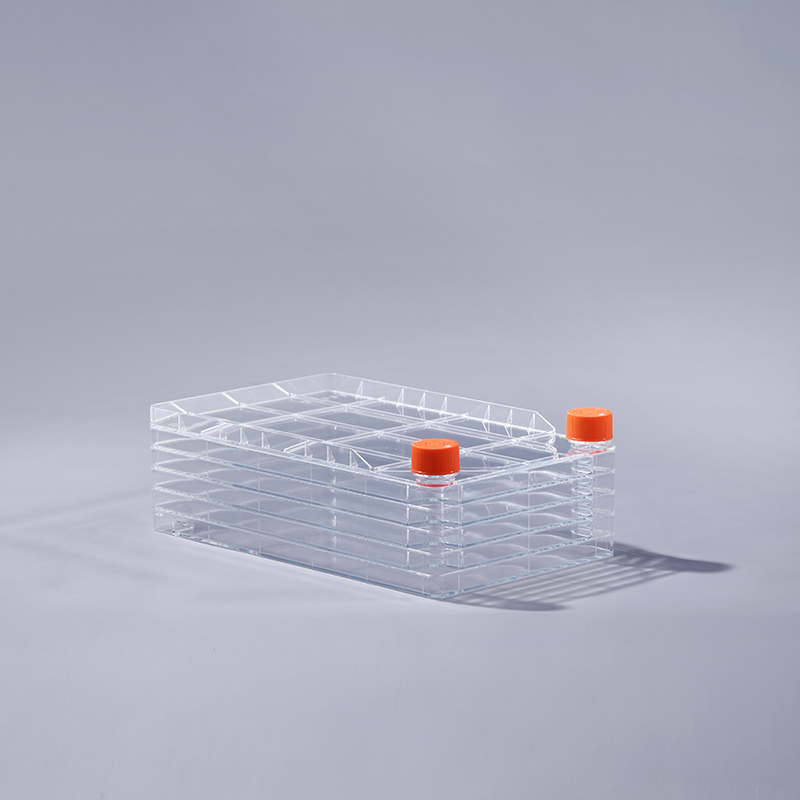
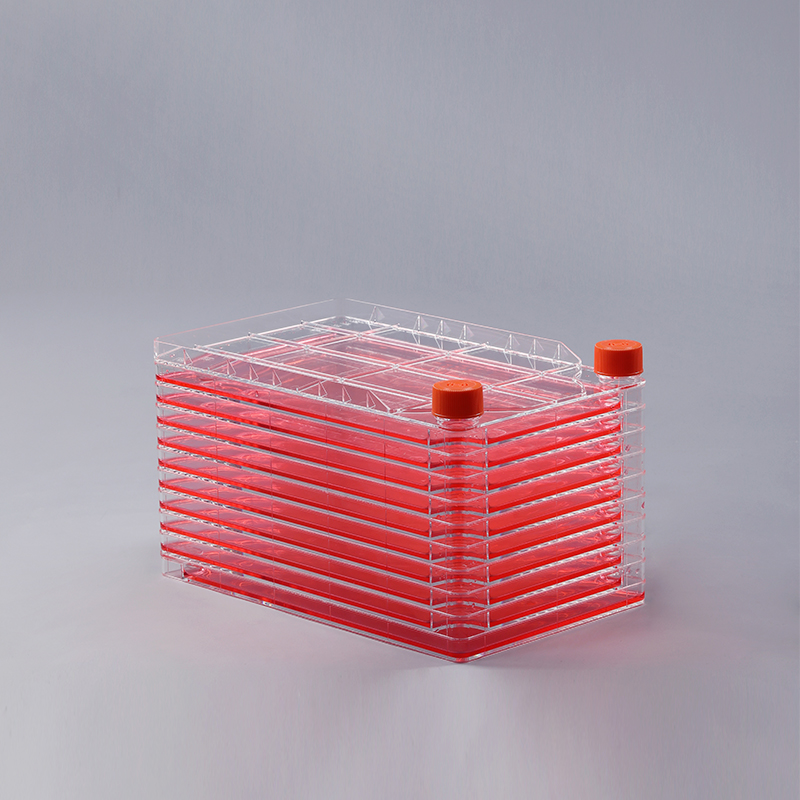
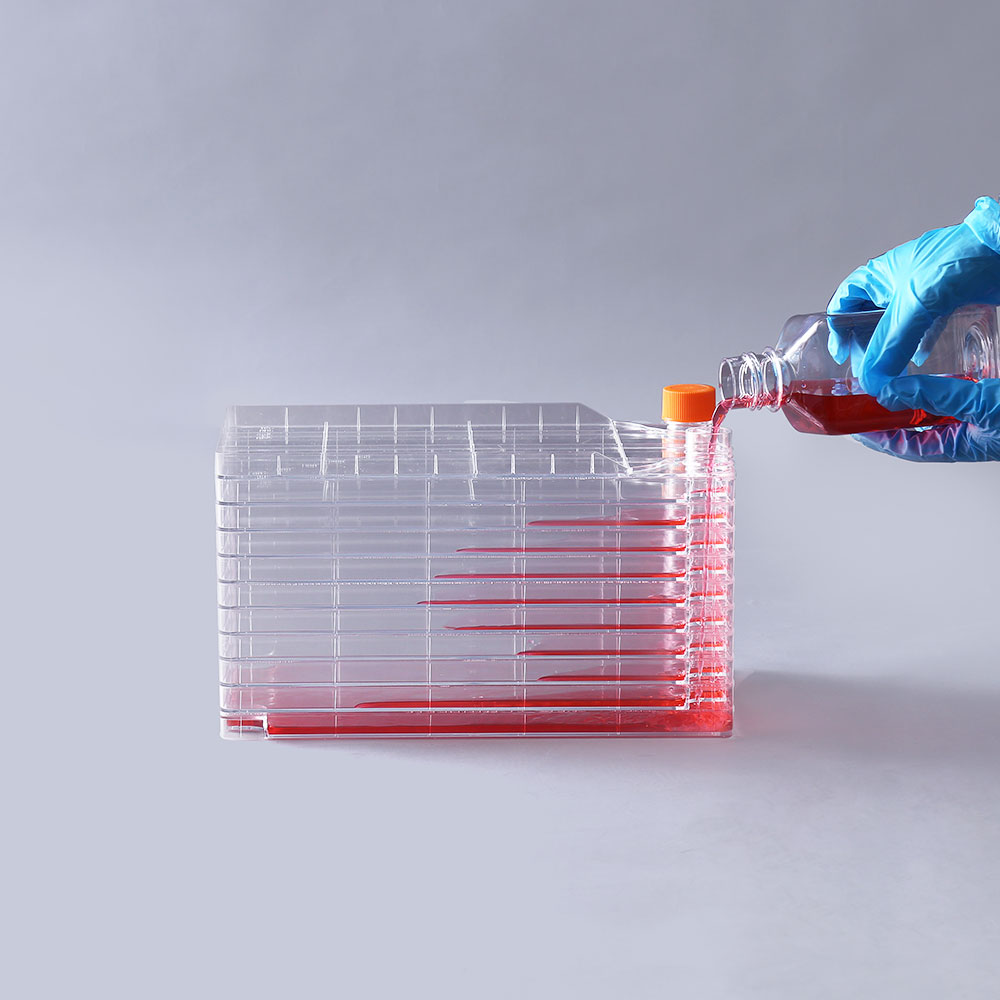
Cell factories are commonly used consumables in large-scale cell culture, and are widely used in adherent cells. It is processed from raw polystyrene, which is inherently hydrophobic, and adherent cells need to attach to the surface of the consumable to grow. In order to improve the adherence performance of the product, it will be treated with TC on the surface to introduce hydrophilic groups to meet the growth requirements of adherent cells. So, how to detect the TC treatment effect of consumables? 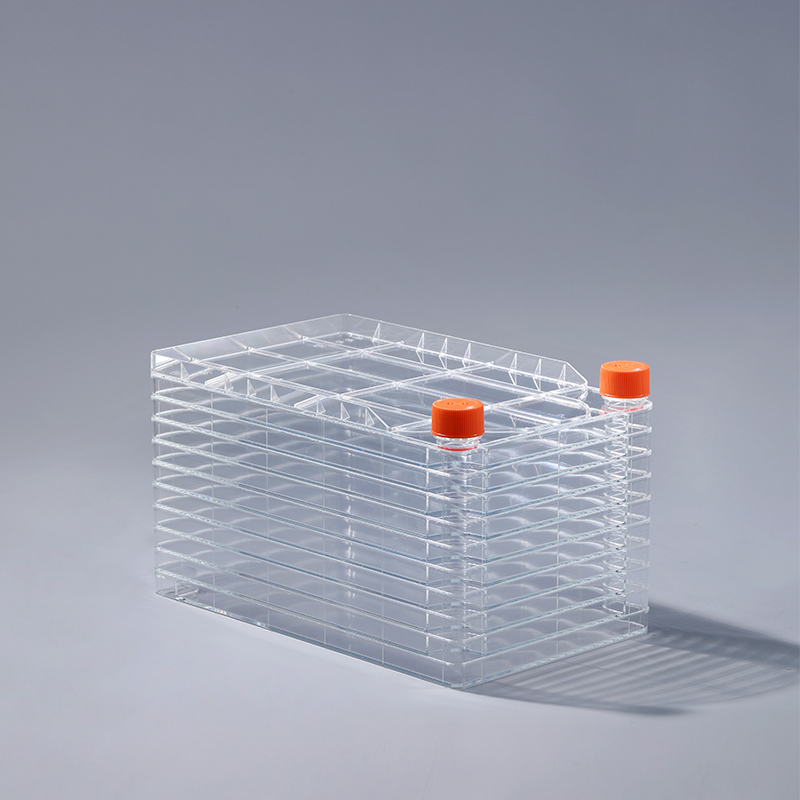
Sensitization test detection of cell factories
The sensitization test is a test to determine whether the test substance is an allergen and the sensitization intensity. As a cell consumable commonly used in large-scale cell or tissue culture, cell factories also need to be subjected to sensitization tests to determine whether they contain allergens and sensitization strength. Cytotoxicity testing of cell factories
Cytotoxicity is a purely cell-killing event caused by cells or chemicals that does not rely on apoptosis or necrosis as a cell death mechanism. Through this test, it can be judged whether the raw materials of the cell factory contain substances that are not conducive to cell growth.