


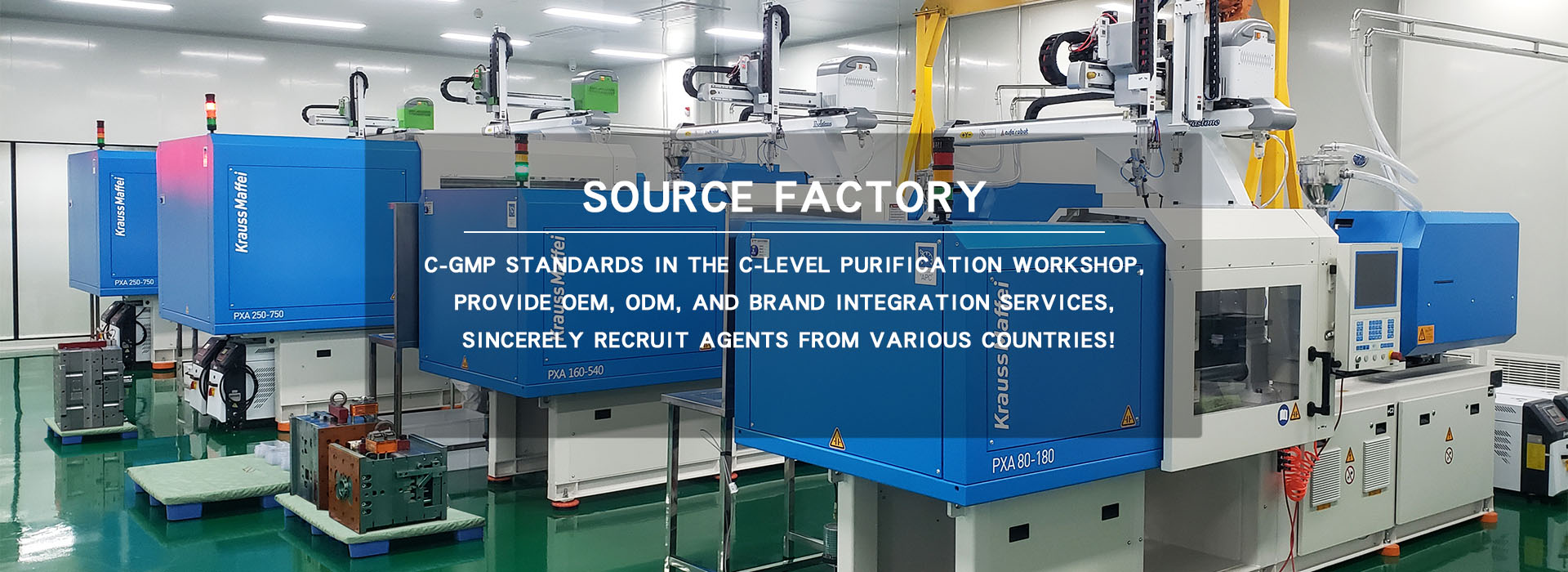
When encountering the uneven distribution of cells in the cell culture plate, first look at how the cells are mixed, whether it is pipetting or shaking the culture plate. If it is the latter, and it is shaking in a circle, it is likely to be due to centrifugal force. The cells are thrown to the peripheral part, resulting in less than four weeks in the middle of the cells. Before culturing the seed plate, put the culture plate in the incubator for several hours of saturation and then take it out. When inoculating the cells, the force should be light. You can use a dripper to slowly add on the side of the plate well to let the cell suspension flow in plate wells, so that the cultured cells grow basically evenly. Never use an oscillator to oscillate, otherwise the cells will accumulate.
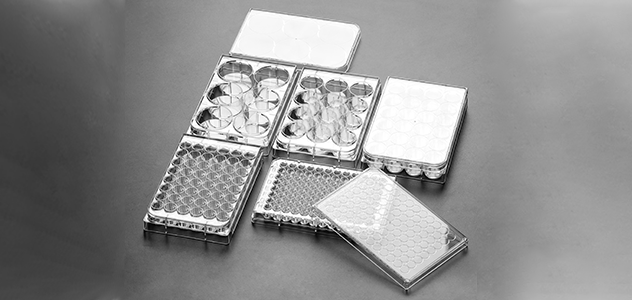
The smaller the diameter of the culture plate hole, the more obvious the unevenness of the cells. This phenomenon is more common in the 24-well and 96-well plates, because the wall of the liquid makes the culture medium in the well not a liquid plane, and the use of these two well plates is due to the need In addition to intervention and other reasons, it is not possible to add a sufficient amount of culture medium, so that the cells appear "edge collection" with the culture medium. If the number of inoculated cells is increased in order to have uniform cells in the center of the well, what indicators need to be observed, if it is MTT, Immunohistochemistry will affect the results due to the layering of cells.
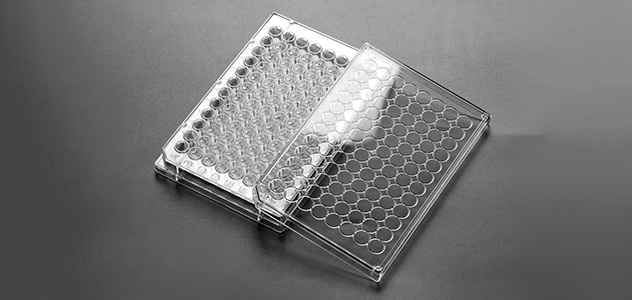
When digesting the cells, pay attention to pipetting evenly to avoid cell clumps, and the amount of culture medium in the cell culture plate wells should be sufficient. Generally, add enough culture medium during inoculation, and change the medium once when adding intervention. The amount of intervention medium plus culture medium is equal to inoculation In this case, the phenomenon of “edge collection” will be improved.