



Cell culture media play an indispensable role in cellular biology research, and their proper storage and usage are crucial for ensuring accurate experimental results and optimal cell growth. As the primary container for storing culture media, serum bottles must possess specific characteristics to maintain the quality and stability of the stored media.
1. Sterility Assurance
Serum bottles must undergo stringent sterilization processes to ensure that their surfaces and interiors are free from bacteria or other microorganisms. Electron beam (E-beam) sterilization is a commonly used method that effectively eliminates potential contaminants such as DNases, RNases, and other biological pollutants, preventing contamination during storage and use.
2. Superior Sealing Performance
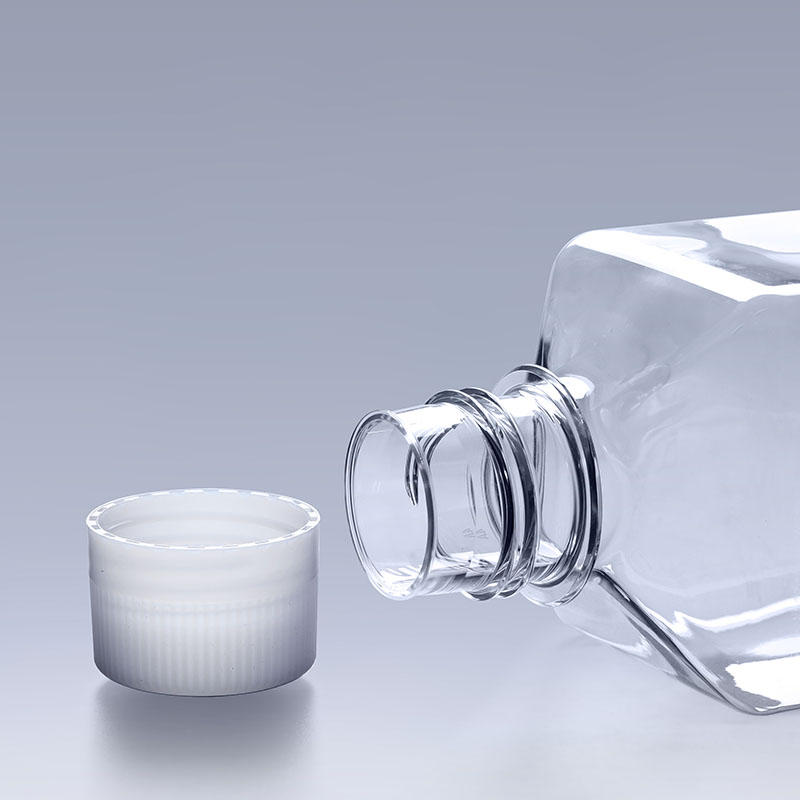
Excellent sealing capability is another critical feature, as it prevents external air, moisture, and dust from contaminating the culture media. Only well-sealed bottles can preserve the original composition and nutritional value of the media over extended periods.
3. Optimal Material Selection
The material of serum bottles directly affects their resistance to low temperatures and transparency. For media that require cold storage, the bottle must be highly resistant to freezing conditions to prevent deformation or breakage. Additionally, high transparency and clearly marked graduations allow researchers to easily observe and measure media volume, improving precision and efficiency in experimental operations.
4. Ergonomic Design Considerations
Beyond functionality, the design of serum bottles should incorporate ergonomic principles to ensure a comfortable grip and ease of handling. A well-designed bottle minimizes the risk of operational errors and enhances user convenience during laboratory work.
Conclusion
Serum bottles play a vital role in cell culture experiments, and their high-quality features help safeguard the integrity and stability of culture media. By selecting suitable bottles and ensuring proper storage and handling, researchers can maintain precise experimental conditions, achieve reliable and reproducible results, and further scientific progress.